
How to Make the Best Crispy French Fries
Whether served on a platter with your favorite french fry toppings or with some of the best sauces for dipping, crispy fries are the kind of dish that people frequently crave. Fortunately, when that desire for loaded fries, seasoned shoestring fries, or any other type or preparation of fries hits, you can find delicious fries at many restaurants near you or make them in your very own kitchen. If you are exploring how to prepare homemade fries, then some of the following questions may come to mind:
● How do I choose and prepare potatoes to achieve crispy fries?
● How do I make crispy oven fries, double-fried french fries or fries in the air fryer?
● How long does it take to fry fries?
Keep reading to learn more about how to prepare and make crispy fries using various methods, as well as how Freddy’s Fries might inspire your own preparations (or prompt you to skip them altogether!).
How to Make Crispy Fries
Especially if you’ve already mastered microwaving a baked potato or preparing rich and creamy mashed potatoes, you may now be eager to try making crispy fries at home. As you begin your quest for homemade fries that can rival the ones from your favorite restaurants, the following information may be helpful to you in your efforts.
What is the best potato for french fries?
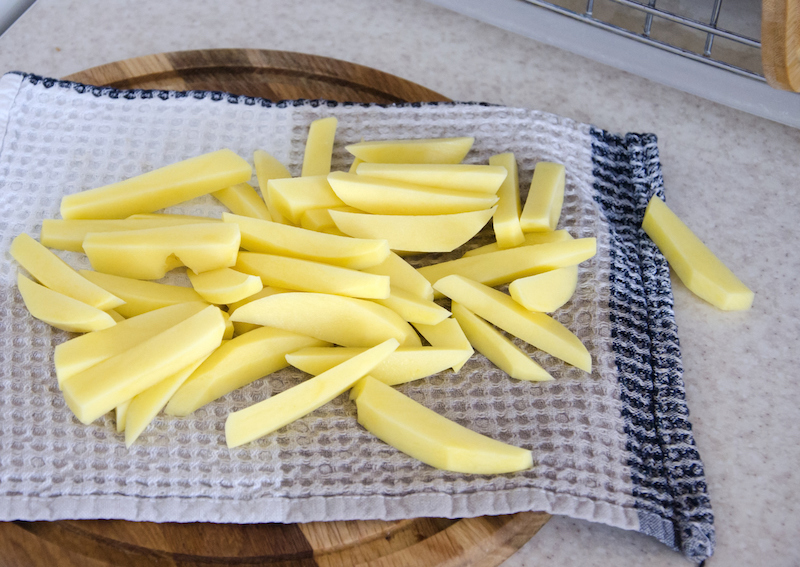
The russet potato is often recommended as one of the best potatoes for french fries due to its higher starch and lower moisture content in comparison to other types of potato. These characteristics play an important role in achieving fries that keep their chosen shape and are crispy on the outside and light not dense on the inside. Using this potato can also help you save a few pennies in comparison to varieties like Yukon Gold that are sometimes also used for fries.
How should I cut my fries? Do I need to peel them first?
As discussed at Chowhound, personal preference is often the deciding factor in whether or not to peel your potatoes. For example, some may prefer to leave the peel on to maintain additional nutrients like fiber or just to save time. Others may not like how the presence of the potato skin impacts the overall texture and flavor to the fries. Similarly, you also have options for how to cut your fries in terms of the method and shape. While you can simply use a knife to cut your fries, Serious Eats explains how another popular kitchen tool, the mandoline, can make this process easier and the fries more consistent in shape. If you have space for another piece of kitchen equipment, a fry cutter is another option that offers ease, speed and consistency when cutting fries.
Is it a good idea to soak raw potato pieces prior to cooking?
Soaking raw fries frequently appears in the directions for making crispy french fries. The specifics of the timing, the temperature and the solution used for soaking often vary. Reasons that the soaking step is often specified include preventing discoloration of the fries, as well as removing some of the starch to help facilitate a crispy exterior and to keep fries from sticking to each other. If you do opt to rinse or soak your cut fries, it is typically vital for the success of your final product that you dry them before moving to the next step in the recipe! You may also see alternative methods aimed at achieving crispiness such as simmering or boiling the raw fries in different solutions. For example, in the guide to making crispy fries from RecipeTinEats, fries are put in a bowl of water to maintain color while the cutting is happening, but they aren’t left to soak. Instead, the potato pieces are rinsed and then simmered in a vinegar water bath, prior to being double fried to make crispy french fries.
When should I season my fries?
When to season your fries may depend on how they will be cooked and the seasoning you plan to use. For example, salt is generally added after the fries are done, whether they are fried in a pot of oil or made in the oven. As further explained at Mashed, salting your fries requires thoughtful timing and the right approach. In terms of herbs and spices, these seasonings are frequently tossed with the raw potato pieces and a little oil prior to going into the oven. With deep-frying, such seasoning blends are typically tossed with fries after cooking is complete, as they will now be able to adhere better to these fries.
How to Make Crispy Oven Fries
From picking the best potato for fries to drying raw potato pieces prior to cooking, much of the care that can help realize your dreams of crispy fries occurs even before the cooking actually begins. Generally, the cooking time for oven fries will take a little more time than other methods. However, this process can be a healthier choice and one that requires less effort overall. For large batches of fries, cooking them in the oven may be an easier option too. As you explore how to make crispy oven fries, here are three tips to consider:
1. Your oven temperature matters.
Yes, you may encounter some variation in recommended cooking temperatures for crispy oven fries (maybe even in a single recipe!). However, for this dish, baked goods and more, inaccuracies in oven temperature can be a problem. For example, pale, limp fries can result from cooking them in an oven that isn’t to temperature. Therefore, it’s a good idea to have an oven thermometer in place to check the accuracy of the interior temperature, as discussed at Martha Stewart. Sometimes, even though the display on your oven may show that you’ve reached the necessary temperature, the temperature inside isn’t the same. Additionally, try to limit opening the oven to any fry flips to help maintain consistent temperature.
2. Avoid overcrowding.
Whether you are investigating how to make crispy oven fries or choosing to deep-fry or air-fry your fries, this tip applies. A lack of space can cause a number of common fry-making issues, such as soggy or greasy fries as well as fries that are inconsistent in their doneness. Therefore, take the time to cook in batches or space out your single layers of fries (perhaps on more than one tray if using the oven), to give your homemade fries their best chance at scrumptiousness!
3. Remember to prepare your baking pan too.
In the guide to crispy oven fries from The Kitchn, heating up the sheet pan prior to putting the fries onto it is recommended. If you are having trouble deciding between the various approaches to making crispy fries in the oven, you’ll also find reflections in this guide on one fry enthusiast's experimentation with 7 different methods.
Why Make Fries in the Air Fryer
Using an air fryer to make fries is not only helpful for cooking frozen fries. It can also be a way to prepare crispy homemade fries in less time than in the oven and with less oil than other methods. If you have air-frying capabilities and want to experiment with trying different cooking approaches to create the best possible batches of fries for your preferences, the recipe from Well Plated by Erin includes detailed tips and variations, such as how to layer fries or what french fry seasonings to try.
How to Deep Fry French Fries at Home
Even if your current arsenal of kitchen equipment doesn’t include a deep fryer, you can still use this cooking method for your homemade fries. You’ll just need a fairly large pot, more oil than you might generally use for a dish, and a thermometer! To create the most restaurant-like fries, then you may want to double fry your french fries. Featuring a colorful infographic to help illustrate the process, find a step-by-step guide to double-frying french fries at The Spruce Eats.
Other Frequently Asked Questions about Making Crispy Fries
How long does it take to fry fries?
Many factors influence how long the cooking will take. In comparison to making fries in the oven or air-frying them, deep-frying these same fries typically has the fastest cooking time. However, the batch or fry size, as well as other preparation steps that have or have not been taken, may further impact the cooking time.
Furthermore, if you are curious about the total time for making homemade fries, not just the actual cooking time, then be sure to account for all of the preparation steps involved. For example, there are considerations directly related to cooking time such as heating up the oven or making sure the french fry oil temperature is where it needs to be, as well as the time needed for steps like soaking the raw fries. As discussed at Tasting Table, double-frying your fries also adds time, as you’ll need to include some cooling time between the first and second fry.
What are the benefits of double-fried french fries?
In short, double-frying french fries helps ensure a tender fluffy interior with a golden crispy exterior. If done right, this method can also help provide a more consistent fry experience (not to mention a tasty one) and fries that can hold up to dipping and toppings, instead of softening soon after that single fry is complete. Often, double-frying french fries includes a starting fry at a lower temperature and a finishing fry to complete the cooking at a higher temperature with a bit of a break in between. To learn more about why this process can achieve such delicious results, NPR shares the science behind the double fry method!
Why does the french fry oil temperature matter when deep-frying?
As with the need for an accurate oven temperature, temperature also matters in deep-frying, specifically the french fry oil temperature. If you are deep-frying or shallow-frying your fries, oil that’s too hot can result in fries that are burnt on the outside and potentially raw on the inside, while a temperature that’s too low can lead to soggy fries.
Enjoy Crispy Shoestring Fries at Freddy’s
Making your own homemade fries may be a feat that’s on your culinary bucket list, but you can also find crispy, craveable fries at your local Freddy’s. Here are 4 reasons to love Freddy’s shoestring fries!
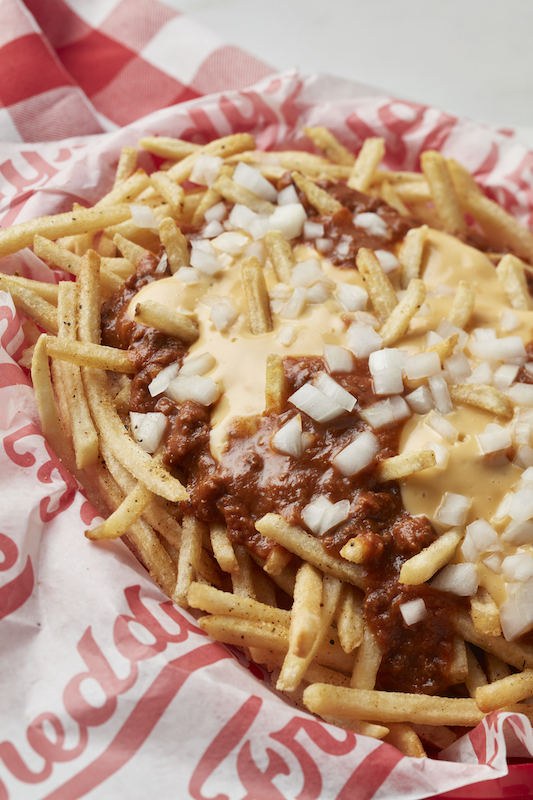
The Cut: Freddy’s specifically offers shoestring fries. If you are longing for flavorful fries with maximum crispiness, the slender shape of this type of fry aims for great texture with every bite.
The Seasoning: A blend of salt, paprika, spices and more, Freddy’s Famous Steakburger and Fry Seasoning® further elevates the overall flavor of our shoestring fries. However, these fries are cooked-to-order, so guests can choose to omit this seasoning during their order customization if they wish.
The Sauces: When it comes to sizes (regular or large) or seasoning (yes or no), there are only two paths to consider. With over 10 different sauces, there’s a little more to think about when making this selection. Whether you are trying to decide between two familiar favorites or which sauce works both for the fries and other parts of your combo meal, choose from classic condiments like ketchup, mustard and mayo for your fries, as well as Freddy’s specialty sauces such as Freddy’s Famous Jalapeño Fry Sauce®.
The Toppings: We also offer two other sides that pair fries with featured toppings. If you cheer for cheese, we’ve got Cheese Fries topped with jalapeño cheese sauce. Individuals who enjoy hearty toppings for their fries may appreciate our Chili Cheese Fries to which fire roasted jalapeños and diced onions can be added.
Perhaps, today is the day to figure out how to make crispy oven fries. Or maybe, you’ve temporarily shelved the recipes for both oven-baked and twice-fried french fries for a later date. Fortunately, Freddy’s has delicious crispy fries that you can enjoy as a snack or with your favorite steakburger combo meal or frozen custard treat! Don’t forget to download the Freddy’s app on Google Play or the App Store for easy reordering of your favorite menu items!